- The match schedule and ticket prices for Men’s Rugby World Cup Australia 2027 have been revealed, confirming dates, venues, and kick-off times for all 52 tournament matches. Fans and teams can now start planning their Rugby World Cup journey to Australia, with first tickets available from 18 February for registered fans in the exclusive Presale.
"VAN" (Sports Desk - 03.02.2026) :: The match schedule and ticket prices for Men’s Rugby World Cup Australia 2027 have been revealed, confirming dates, venues, and kick-off times for all 52 tournament matches. Fans and teams can now start planning their Rugby World Cup journey to Australia, with first tickets available from 18 February for registered fans in the exclusive Presale.
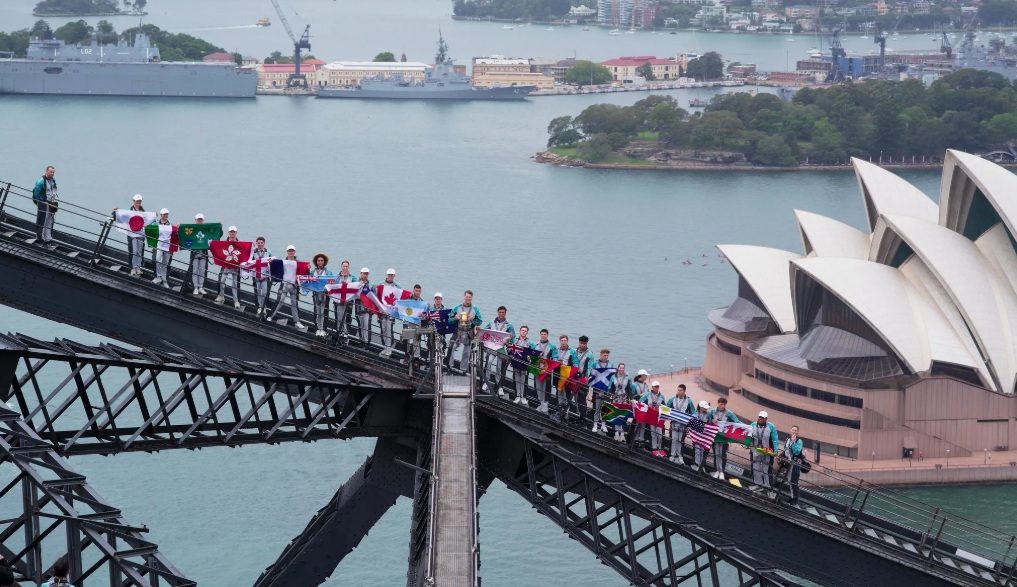
To mark the moment, Rugby World Cup winner and former Wallaby captain John Eales together with Australia's Joseph Suaalii took the Webb Ellis Cup to the top of the Sydney Harbour Bridge. They were joined by 24 young people from local rugby communities representing the 24 teams involved in the tournament.
A new era for rugby’s biggest stage
The eleventh edition of Men’s Rugby World Cup is the first under the expanded 24-team format, delivering more matches, more drama, and more opportunities for fans to experience the pinnacle of the sport. With seven consecutive weekends of rugby passion, the schedule has been designed to maximise attendance and global impact while prioritising player welfare and fan experience.
Men’s Rugby World Cup Australia 2027 will launch with a landmark moment in Perth | Boorloo on 1 October, as Australia face RWC debutants Hong Kong China in the opening match of the tournament, a powerful symbol of rugby’s expanding global footprint with more nations earning place to compete on the sport’s biggest stage. Following the opener, the Wallabies will travel from Perth to Sydney | Gadigal and Brisbane | Meeanjin during the pool phase, giving fans across the country the opportunity go all out and be part of this once in a generation national celebration.
Meanwhile, reigning champions South Africa will launch their Rugby World Cup campaign in Adelaide | Tarntanya on 3 October, taking on Italy as they pursue an historic third consecutive title. The Adelaide Oval will also mark Zimbabwe’s first Rugby World Cup appearance since 1991, as they face Wales the previous day.
Played across 19 matchdays, the schedule deliberately clusters matches on weekends to maximise attendance and bring local communities together for an unforgettable celebration of rugby, with only two Monday across the tournament’s six weeks – one coinciding with a public holiday in Australia.
Two matches staged in the same city over the same weekend will take place across all seven vibrant host cities including Newcastle | Awabakal-Worimi and Townsville | Gurambilbarra, creating an international festival atmosphere with fans from up to four nations sharing the experience. The pool phase will conclude in a historic Super Sunday on 17 October, featuring five Rugby World Cup matches played in a single day, a first in tournament history and a showcase of rugby passion at its peak.
Brisbane, Melbourne, Perth and Sydney will remain at the heart of the action as they host the first-ever round of 16, giving pool winners and runners-up certainty over their knockout locations. The four best third-placed teams will also progress, with opponents determined by their pool of origin.
Brisbane Stadium and Stadium Australia in Sydney | Wangal will then take centre stage for back-to-back quarter-finals on Saturday 30 and Sunday 31 October, before the eyes of the rugby world turn fully to Sydney for the semi-finals, the bronze final and the ultimate climax: the Men’s Rugby World Cup 2027 Final played on Saturday 13 November, 2027.
A schedule designed with teams and fans in mind
The calendar has been designed with balanced travel logistics to ensure fairness and high‑quality performance across all 24 teams, including a minimum of five rest days between matches. Kick-off times have been chosen to suit local conditions, including later starts in warmer cities such as Townsville and Brisbane, while enabling the widest possible global audience to follow their teams across different time zones.
Behind the scenes, this schedule is the result of a rigorous technical analysis of venues – from average temperatures and capacities to transport and security – combined with collaborative planning across competition management, team services, broadcast, medical, ticketing and wider stakeholders.
Responses
Leave your comment