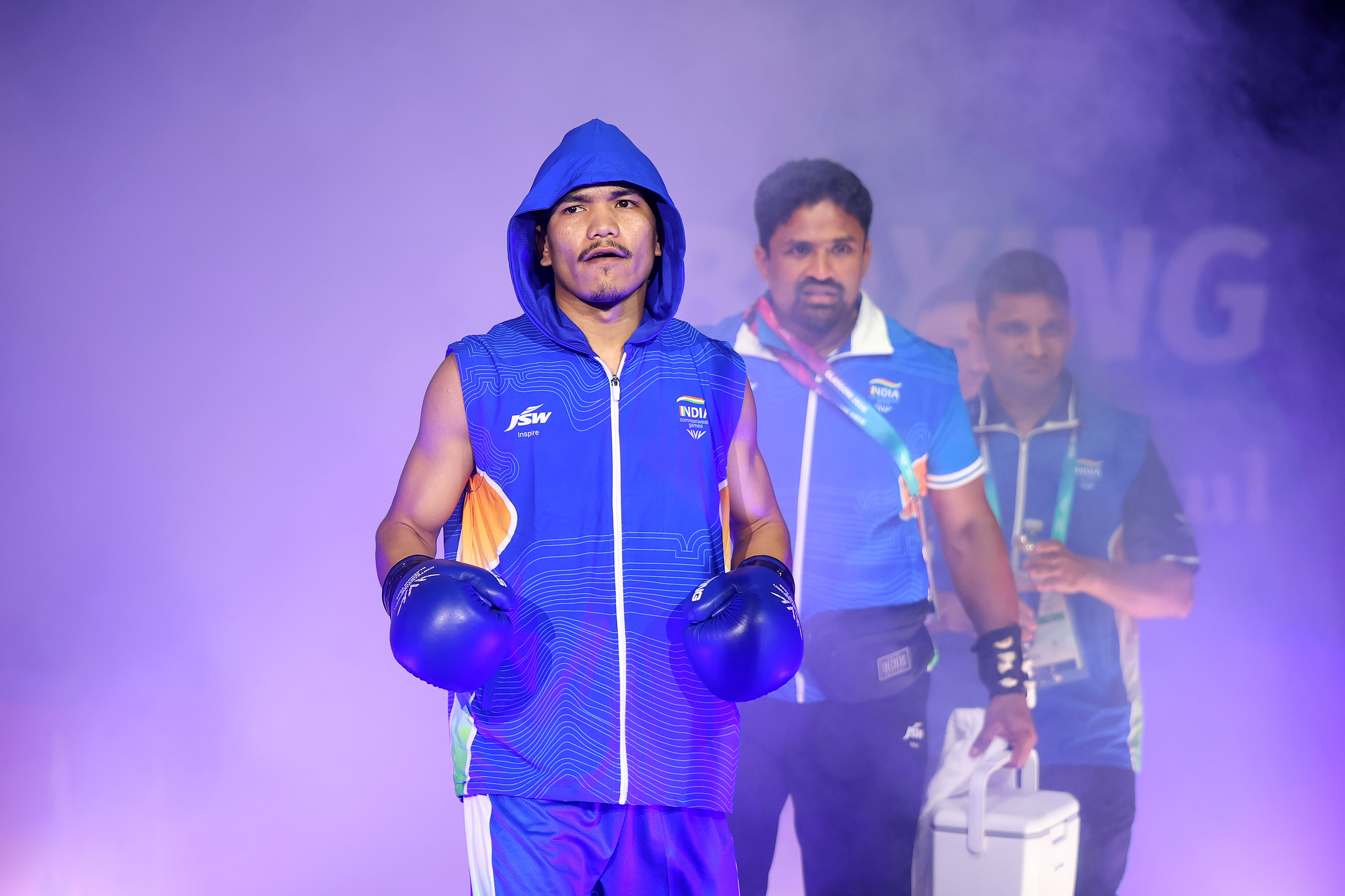
"VAN" (Sports Desk - 28.07.2026) :: When an Indian athlete steps onto the competition arena,
the spotlight naturally follows the competitor. The medals, the records and the
applause belong to the athlete. Yet every performance is built on countless
hours of planning, guidance and encouragement from the people standing
just beyond the cameras—the coaches.
As Team India builds momentum at the 2026 Commonwealth Games in
Glasgow, with a medal-winning start in para powerlifting and record-breaking
performances in weightlifting, another story is quietly unfolding behind the
scenes. It is the story of the coaches who spend months, and often years,
preparing athletes for these defining moments.
Coaching at a multi-sport Games extends far beyond technical instruction.
Every day begins with training schedules and recovery plans before moving to
strategy sessions, video analysis and countless one-on-one conversations
designed to keep athletes calm under pressure. A coach is often teacher,
mentor, psychologist and tactician rolled into one. Their work is measured not
just in medals, but in the confidence they inspire and the belief they instil.
Dr. P. T. Usha, President IOA said coaches remain one of the strongest pillars of
every successful sporting campaign.
"As an athlete, I have always believed that behind every great performance is
a great coach. Coaches dedicate years to nurturing talent, building
confidence and preparing athletes for the biggest moments of their careers.
They may not stand on the podium, but every medal India wins carries the
imprint of a coach's commitment and sacrifice. The Indian Olympic
Association deeply values their contribution, and we are committed to
providing our athletes with the strongest possible coaching support."
The achievements of India's weightlifters once again highlighted the
importance of this partnership. Coach Vijay Sharma, whose work with Mirabai
Chanu Saikhom has been instrumental in India's rise as a weightlifting
powerhouse, is among the country's most respected high-performance
coaches. Alongside him are assistant coaches and support staff whose tireless
work often goes unnoticed but is critical in ensuring athletes remain physically
prepared and mentally composed throughout the competition.
Across the Indian contingent, the coaching structure reflects the diverse
demands of elite sport. In athletics, Chief Coach Radhakrishnan Nair oversees
a large and experienced coaching team catering to specialists across sprints,
middle and long distances, jumps and throws. Elite performers such as Neeraj
Chopra and Murali Sreeshankar continue to benefit from close collaboration
with their personal coaches, while the wider coaching group ensures athletes
receive event-specific guidance throughout the Games.
Swimming, too, benefits from experienced guidance. Coaches Nihar Ameen
and Sandeep Sejwal combine technical expertise with competitive
experience, helping swimmers prepare for every race while managing the
pressures of international competition. In boxing, coaches analyse opponents,
refine tactics and provide crucial advice between rounds, where a few words
can influence the outcome of a closely fought contest.
The same commitment extends to India's para athletes. Team India's
campaign began with a medal in para powerlifting, underlining the value of
meticulous preparation and close coach-athlete partnerships. Coaches such
as Jitender Pal Singh continue to provide technical guidance, confidence and
unwavering support, ensuring para athletes are able to compete at their very
best on the Commonwealth stage.
The Indian Olympic Association has worked to ensure that athletes across
disciplines are supported by experienced coaches and technical staff
throughout the Games. It is an investment not only in performance but also in
athlete welfare, confidence and long-term excellence.
Coaching is often described as a profession without a podium. Coaches
celebrate victories from the sidelines, absorb disappointments in silence and,
almost immediately, begin preparing for the next challenge. Every medal starts
long before an athlete enters the arena—with a training plan, a technical
correction, a tactical insight or a quiet conversation that builds confidence
when it is needed most.
As Team India continues its campaign in Glasgow, the athletes will rightly
remain the faces of India's achievements. Standing just behind them, however,
are the minds that have helped shape those performances. They may never
wear the medal, but in every Indian success at these Games, there is the
unmistakable imprint competition.
Responses
Leave your comment